Adventure and Horror Games: Key Subgenres
 by
in
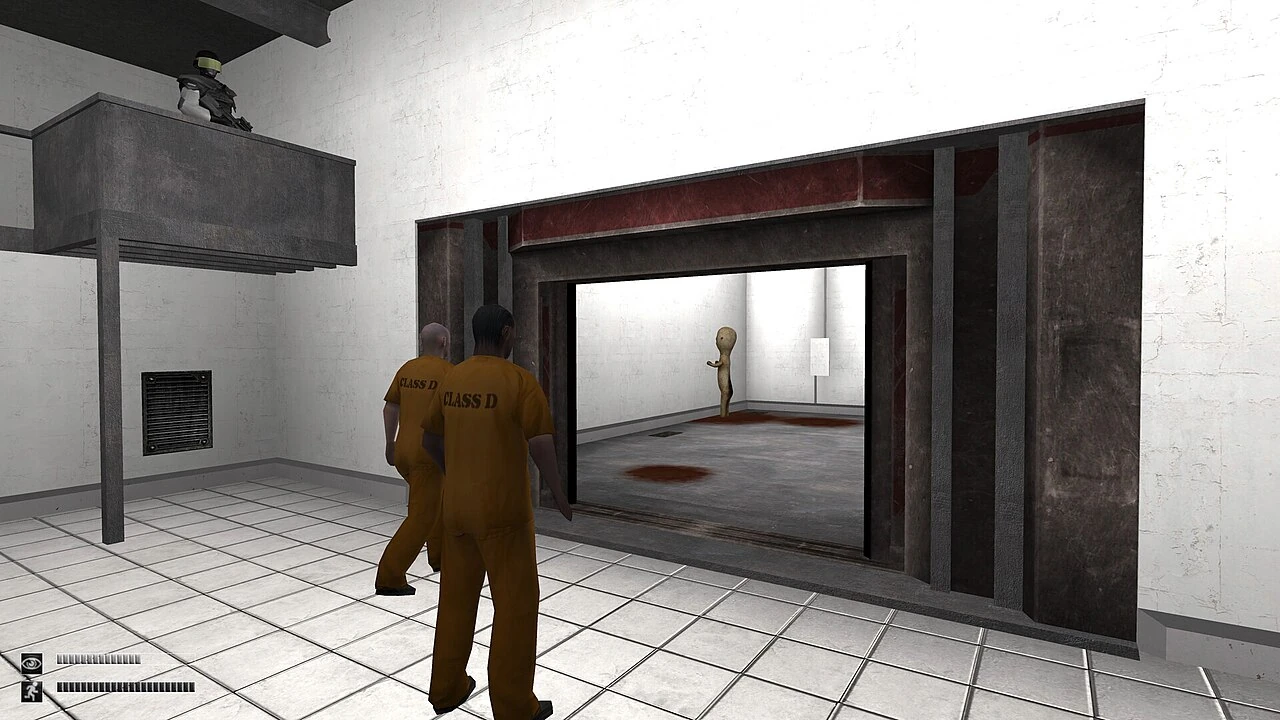
Adventure games make discovery and interpretation central. Horror games use uncertainty, threat, or vulnerability to shape emotion. The two genres overlap whenever the player must explore a world that resists easy understanding.
Adventure games are built around moving through a place, solving a problem, uncovering a story, or interpreting a set of clues. Horror games add a particular emotional pressure: the world feels unsafe, the player may be vulnerable, and information arrives in uneasy fragments. A game can be frightening without relying on combat, and an adventure can be gripping without using a single monster.
The best entry point depends less on whether a game is “scary” than on how it creates tension. Some titles limit supplies and force a decision about confrontation. Others use sound, framing, and uncertainty. A narrative adventure may invite dialogue and empathy, while a point-and-click mystery rewards patient observation. The category labels overlap, but the player’s job is usually clear once the core loop is understood.
Adventure and horror styles
| Style | Main activity | Typical tension | Examples |
|---|---|---|---|
| Point-and-click adventure | Inspect objects, combine clues, speak with characters. | Interpreting what the game world considers possible. | Monkey Island 2, Grim Fandango |
| Narrative adventure | Explore scenes and make dialogue or story choices. | Social consequences and limited time to respond. | Life is Strange, The Walking Dead |
| Exploration adventure | Navigate a world, find clues, and connect environmental details. | Uncertainty about place, history, or the next route. | Outer Wilds, Journey |
| Action adventure | Combine traversal, combat, and puzzles. | Exposure during movement and encounter pressure. | Tomb Raider, The Legend of Zelda |
| Survival horror | Search, manage supplies, solve puzzles, survive threats. | Scarcity, unsafe spaces, and costly combat. | Resident Evil, Silent Hill |
| Psychological horror | Symbols, unreliable spaces, and character behavior. | Uncertainty about what is real or understood. | Silent Hill 2, Signalis |
| Stealth horror | Hide, listen, and evade a stronger enemy. | Being pursued while lacking a direct answer. | Alien: Isolation, Amnesia: The Dark Descent |
| Co-op horror | Share clues, tasks, or survival roles with others. | Coordination under threat and incomplete knowledge. | Phasmophobia, Left 4 Dead |
Adventure games make attention a tool
In a point-and-click adventure, progress often comes from noticing a detail that seemed decorative. A character mentions a habit; a door has a strange lock; an item that looked useless acquires meaning later. The puzzle is fair when clues connect through a consistent logic. It becomes opaque when a solution requires an action with no visible relationship to the problem.
Modern adventure games often make interactions more direct and scene-specific. Instead of combining many objects, players may inspect a scene, choose a response, or follow a route through a 3D environment. The shift reduces inventory friction while changing the role of the player. Interpretation may matter more than experimentation with objects.
Some games emphasize choice. Their decisions can affect a relationship, reveal a perspective, or change a later scene. A choice feels meaningful when the player understands the immediate stakes and sees a consequence. It does not have to create a completely separate plot. A small difference in trust or tone can be more convincing than a menu that promises world-changing outcomes and later collapses to one path.
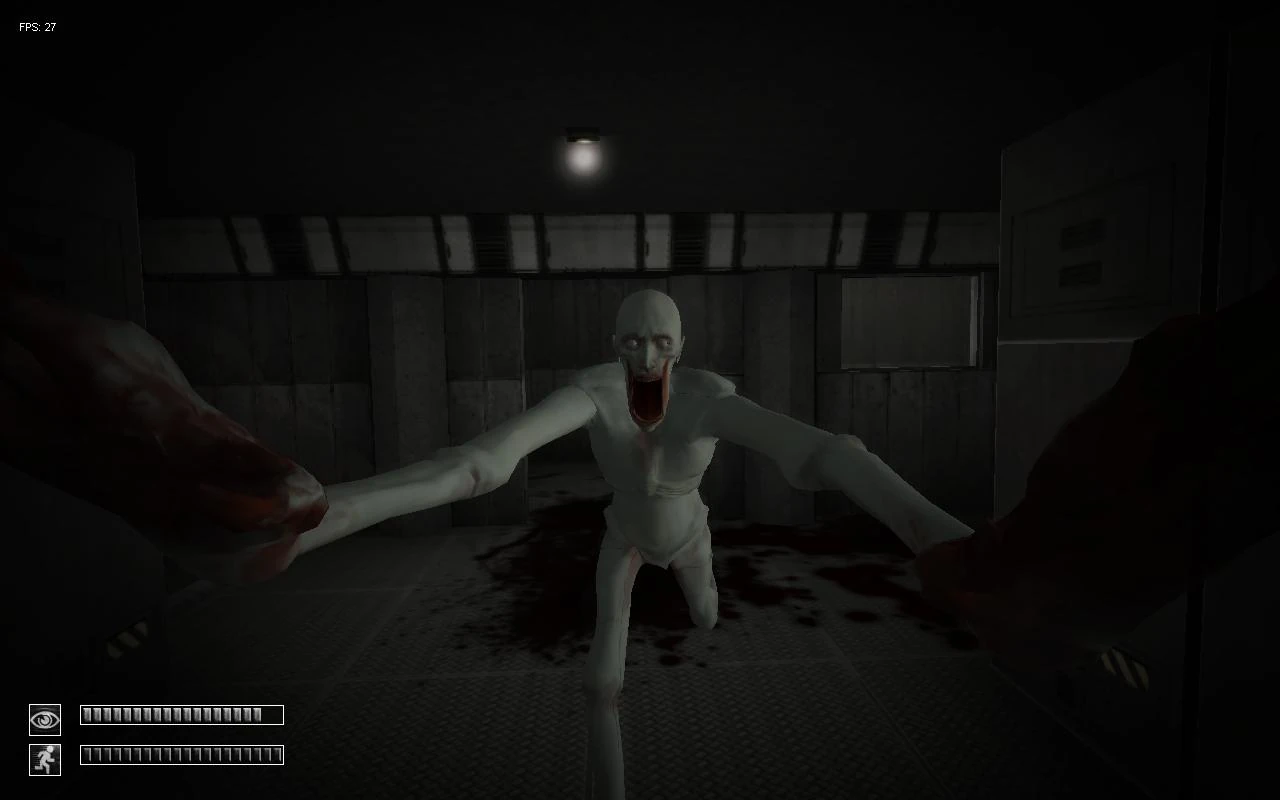
How horror keeps a player uncertain
Scarcity makes safety feel temporary
Limited ammunition or healing changes the emotional value of an encounter. A player must decide whether to spend supplies, run past a threat, search a room, or risk taking damage. Resident Evil helped popularize survival horror with a combination of exploration, puzzles, resource management, and combat. The formula works when the player can read the cost of a decision without knowing every outcome. If the game hides too much, scarcity can feel like a trap rather than a choice.
Space can make the player feel exposed
Fixed camera angles, narrow corridors, locked rooms, and long routes between safe points shape what a player can see and remember. Older survival horror often used camera position and limited visibility to control attention. Contemporary games may use first-person perspective or a following camera for closeness. Designers choose camera framing for different effects: a composed cinematic image, a tight sense of presence, or an overview that supports combat.
Sound can carry information and dread
Footsteps, distant impacts, silence, and changes in music can signal a threat before it appears. Players learn which sounds are environmental and which mean they should act. Horror loses force when every cue is a false alarm; suspense grows when sound is consistent enough to interpret but incomplete enough to leave room for doubt.
Vulnerability is not the same as helplessness
A powerless protagonist can heighten tension, but the player still needs agency. Hiding, barricading, using a limited tool, or manipulating the environment gives fear a playable shape. A game may offer escape rather than combat, yet the player should understand what actions can reduce risk. Uncertainty is compelling; confusion about basic controls is not.
Horror subgenres by their main source of tension
- Resource pressure: Classic Resident Evil and its modern remakes make inventory and ammunition management central.
- Close pursuit: Alien: Isolation makes hiding and listening central while a powerful enemy controls space.
- Atmosphere and ambiguity: Silent Hill 2 uses an unsettling town and character psychology rather than constant combat.
- Action under pressure: Resident Evil 4 combines aiming, movement, and crowd control with horror imagery.
- Cooperative fright: Phasmophobia makes communication and shared evidence-gathering part of the experience.
- Short narrative unease: independent titles often focus on one location, one mystery, or a short sequence of discoveries.
These distinctions matter for content expectations. Some games include graphic violence, body horror, jump scares, disorienting camera effects, or themes involving grief and mental distress. Age ratings offer a baseline, and detailed content descriptions can clarify whether specific images or themes may be difficult for a player.
Fair puzzle design and common frustrations
Adventure puzzles benefit from a clear chain of reasoning. A player can be challenged by making a connection, but should not need to guess which pixel is interactive or try every item on every object. Helpful design uses repeated visual language, optional hints, readable journals, or a way to revisit key clues. These features do not remove difficulty; they move the challenge toward deduction rather than interface hunting.
Backtracking can create suspense and reveal new meaning in a familiar space. It becomes tedious when the player repeatedly crosses a large area without new information, a changed threat, or a fresh decision. Map markers and fast travel can reduce empty travel, but they can also weaken the intended feeling of vulnerability. The game’s pace and the value of remembering place determine the balance.
Difficulty settings work differently here than in combat games. A hint system may ease puzzle friction without changing the story. Combat assistance may reduce action demands while leaving atmosphere intact. Adjustable camera shake, subtitle size, brightness, audio range, or quick-time event timing can help players manage sensory and motor barriers. These options should be considered alongside the genre’s emotional intensity.
Adventure and horror across regions
Adventure and horror games draw on many traditions: European point-and-click design, Japanese console adventures and survival horror, American computer RPGs, and independent scenes around the world. These influences cross borders. A game may combine visual-novel pacing with action combat or bring a local legend into a familiar horror format. Cultural details matter most when they shape the setting, characters, or story.
International releases can also change names, voice acting, puzzle wording, and cultural references. A translated riddle may be harder or easier than the original; a remake may change a camera or control scheme. If a puzzle solution seems illogical, the issue may come from the localization or edition rather than from the player missing an obvious clue.
Common Questions
Are all horror games difficult?
No. Some offer adjustable combat, optional hints, or low-pressure exploration. Others ask for precise timing or careful resource management. The type of tension matters more than the horror label.
Do adventure games always have branching endings?
No. Many are tightly authored stories. Exploration, puzzle-solving, or interpretation may provide agency even when the plot reaches a fixed ending.
Is a remake a good substitute for the original?
It may be, if the goal is to experience the story or basic design. A remake can alter camera, controls, puzzle logic, combat, and tone. Players interested in the original’s historical design should treat each edition as a distinct work.
Adventure and Horror at a Glance
Adventure games center on interpreting places, characters, and clues. Survival horror adds resource pressure and vulnerable exploration; psychological horror uses uncertainty and symbolism; action adventure combines exploration with movement and combat. In hybrid games, one of these loops usually sets the pace.
These genres work best when exploration changes understanding. A room, clue, enemy, or conversation should give the player a reason to revise what they thought they knew. That revision can lead to a solution, a new route, or simply a sharper sense of the world. Fear and curiosity are close companions because both begin with a question about what lies beyond the player’s current view.