Nintendo Gaming: Consoles and Games
 by
in
Nintendo’s influence comes from designing hardware and games together. Its systems often make a particular way of playing visible, social, or portable, then build a library around that idea.
Nintendo is a Japanese video game company with a history that stretches far beyond home consoles. Its modern identity comes from designing hardware and software together: a controller, screen, or portable format often inspires the games that define the system. Mario, The Legend of Zelda, Metroid, Pokémon, Animal Crossing, and Splatoon each show a different approach to play, from precise movement to collecting, exploration, community, and competitive action.
Nintendo systems are often evaluated by a different measure than raw hardware power. Library appeal, the system’s fit in a household, and its mix of television, portable, solo, or group play are central considerations. These strengths come with trade-offs in performance, online features, third-party support, and library continuity.
From arcade and home console to hybrid play
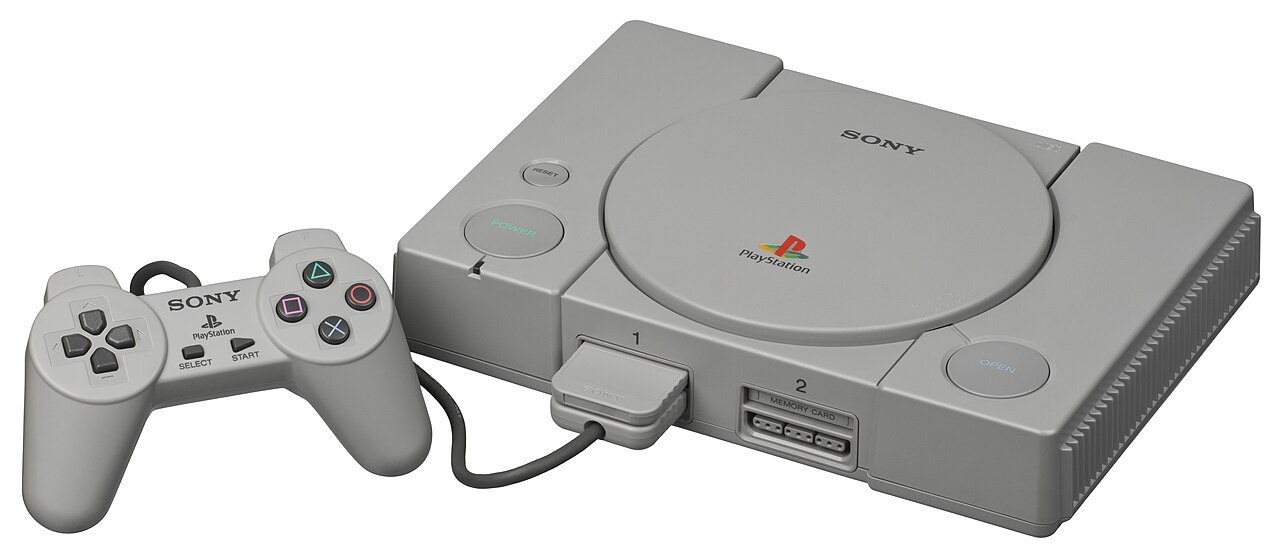
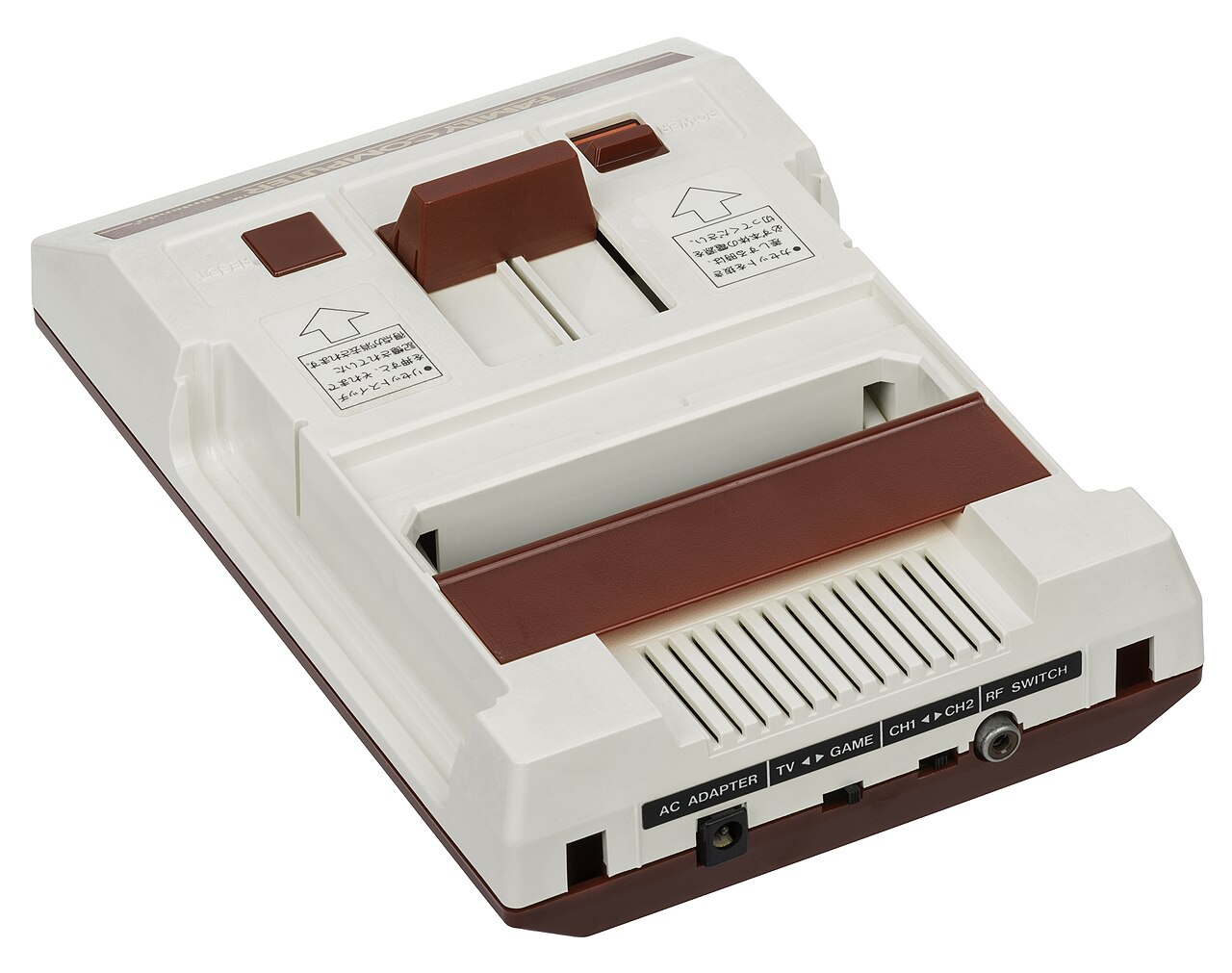
Nintendo’s hardware history is a sequence of experiments with where and how games are played: coin-operated cabinets, television consoles, portable systems, motion controls, dual screens, and hybrid devices. Nintendo Switch 2, released on June 5, 2025, continues the TV, tabletop, and handheld format in a new generation. It plays compatible Switch titles, though some are unsupported or not fully compatible. The table tracks broad design shifts rather than every model or regional revision.
| System era | Design idea | Games that illustrate it |
|---|---|---|
| NES / Famicom | Cartridges make a home console a repeatable game library. | Super Mario Bros., Metroid, The Legend of Zelda |
| Game Boy | Portable play makes a game a personal, everyday object. | Super Mario Land, Tetris, Pokémon |
| Super Nintendo | Richer 2D worlds and sound support longer, more expressive adventures. | Super Metroid, Super Mario World, Final Fantasy VI |
| Nintendo 64 | Analog movement and 3D spaces reshape platforming and adventure. | Super Mario 64, Ocarina of Time, GoldenEye 007 |
| Wii and DS | Motion, touch, and dual screens invite new forms of interaction. | Wii Sports, Nintendogs, Mario Kart DS |
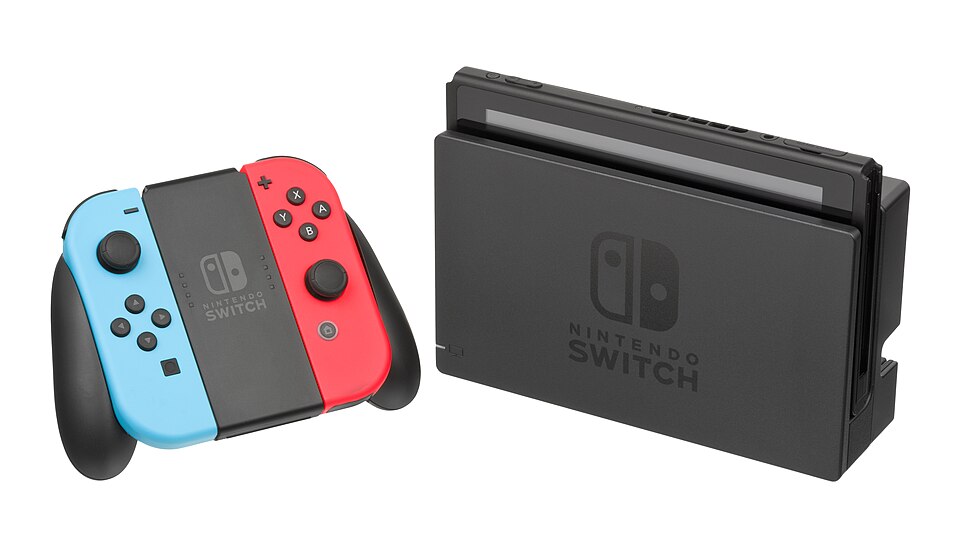
| Switch and Switch 2 | The hybrid format spans two hardware generations, with Switch 2 software and support for compatible Switch games. | Switch: Breath of the Wild, Mario Kart 8 Deluxe; Switch 2: Mario Kart World |
Each system’s library is shaped by its hardware. That relationship can produce remarkable work, but it also means a design may be difficult to reproduce elsewhere. A touch-screen puzzle, motion-controlled sport, or portable/television hybrid may feel different on a conventional controller.
Why Nintendo’s first-party games matter
Mario anchors the library across generations
Mario is a familiar reference point across Nintendo generations, but the name covers different formats rather than one fixed kind of game. A platformer, racer, sports release, and party game can share a character while demanding different controls, player counts, and session lengths. The mascot helps readers recognize the first-party catalogue; it does not describe the whole library or predict how a specific title plays.
Zelda spans distinct library eras
The Zelda name runs across Nintendo’s home, portable, and hybrid hardware families. That reach makes it a useful example of how a long-running series can anchor a platform library, but each release remains its own catalogue choice. An older title, a port, a remake, and a new entry may share a world while making different demands of the hardware and controller.
Pokémon turns a private collection into a social one
Capturing and training creatures creates a personal team, while trading and battling connect players. The social loop is crucial: a collection becomes meaningful when it can be compared, shared, or used in a match. Different generations add regions, creatures, and mechanics, yet the underlying appeal remains easy to understand across ages and languages.
Other series widen the palette
Metroid emphasizes isolation and ability-gated exploration. Animal Crossing makes daily routine and decoration part of a social life sim. Fire Emblem combines tactical battles with character relationships. Splatoon treats movement, map control, and team ink as a competitive language. These series show that Nintendo’s catalogue is not a single style; it is a group of distinct design traditions.
Local play and the shape of a household console
Nintendo consoles have often made local multiplayer easy to understand. A controller can be passed from one person to another, a screen can be shared, and a game can explain its objective through movement. Mario Kart, Super Smash Bros., Mario Party, and Wii Sports create different social formats: racing, fighting, party rounds, or physical gestures.
The setting shapes that strength. Shared-screen multiplayer can be lively in a living room and inconvenient on a small display or for players who need more visual space. Some games require extra controllers, accessories, or a particular system mode. Online multiplayer, voice chat, and cross-play are separate questions; local accessibility does not guarantee the same convenience online.
Solo players are not an afterthought. Zelda, Metroid, Fire Emblem, Pikmin, and many platformers are built for focused individual play. Nintendo’s family-friendly reputation does not mean every game is aimed at young children, and it does not describe every title’s challenge or tone. The platform serves a wide range of ages and skill levels.
Hardware choice: design goals and limits
Nintendo hardware often pursues a distinct interaction or form factor. A handheld system makes portability central; motion controls emphasize broad physical gestures; dual screens provide a second surface for maps or inventory; hybrid hardware lets a player switch between a television and a portable screen. Those designs can make software feel fresh, but they can also create performance or compatibility trade-offs compared with a fixed high-end console or gaming PC.
Useful points of comparison include game libraries, display and control options, storage, battery life, and portable play. A hybrid device is not always more convenient if most play happens in one room; a home-only console may not fit a household that shares a television.
The signature game is a better guide than the specification sheet. Open adventures, local party games, portable RPGs, and competitive shooters each make different use of Nintendo hardware; representative games show those priorities through their controls and play modes.
The Nintendo library across generations
Nintendo’s hardware families have distinct software libraries. Some older titles return through remakes, ports, or subscription catalogues; others remain tied to a particular system. Backward compatibility changes between generations and formats, so a familiar franchise name does not establish which version runs on a newer device. Compatibility depends on the exact game and hardware model, so a familiar franchise name does not establish that the library carries across generations.
A Nintendo release can also depend on its original control surface. A touch-screen puzzle, motion-controlled activity, or game designed for a handheld display may feel different when adapted to a standard controller or television. The title can remain recognizable while its route through a puzzle, menu, or minigame changes. Version and input support matter when comparing how a game plays.
Where Nintendo’s hybrid model fits
The format is most useful in a household that moves between shared television play and private handheld sessions. A docked game can become portable without changing its basic library, while detachable controllers make local play easy to demonstrate. Nintendo’s first-party catalogue is a central reason for the system’s appeal; the same hardware may be a poor match for someone whose priority is the highest graphical fidelity, a specific PC-only strategy game, or one competitive online feature.
Generation compatibility: Switch 2 carries the hybrid idea forward, but its software and compatibility are not identical to the original Switch family. Compatibility depends on the games, controllers, and accessories used by everyone sharing the system.
Questions about Nintendo games
Do Nintendo series need to be played in order?
Usually not for a first entry. Some games share a world or a direct sequel, but many are designed to welcome a new audience. The Legend of Zelda has an official timeline, while its individual adventures still vary in how much prior knowledge they expect.
Are Nintendo games always easy?
No. Many offer approachable controls, but advanced levels, optional challenges, and competitive modes can require considerable skill. The specific game and player’s goals determine difficulty.
Can an old Nintendo cartridge run on a newer console?
Only when the hardware supports that format or an authorized service provides the game. Compatibility depends on the exact system; cartridge libraries do not automatically transfer across generations.
Switch Generations and Their Trade-offs
- Library compatibility: original Switch and Switch 2 releases have different compatibility lists.
- Play setting: television, tabletop, and handheld modes have different screen and controller requirements.
- Shared play: local-player counts, online requirements, languages, and accessories vary by game.
Nintendo hardware is easiest to understand through its particular play moments: a handheld session moving to the television, a Joy-Con passed to a guest, or a game whose controls depend on the system’s shape. Those same choices can limit a port or an online setup, so the console’s character is clearest in the exact games and rooms it supports.