Final Fantasy: Battle Systems and Games
 by
in
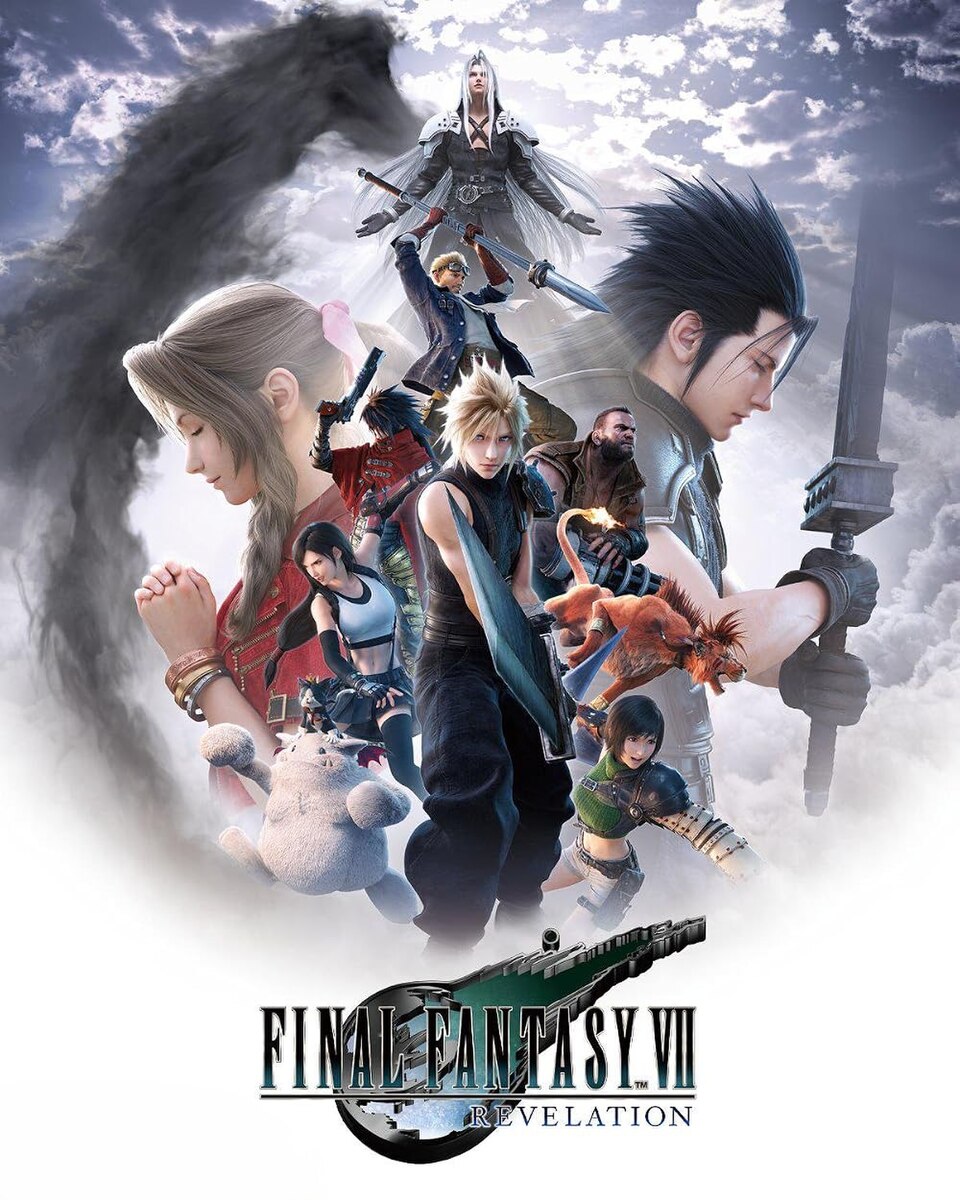
Final Fantasy is a long-running role-playing series that reinvents its world and battle system from one main entry to the next. The number is a lineage marker, not a demand to begin at the beginning.
Final Fantasy began in 1987 as a role-playing game for Nintendo’s Famicom in Japan. The series grew into a global catalogue of fantasy and science-fiction worlds, character dramas, evolving combat systems, music, and recurring visual motifs. Most numbered main entries tell a new story with a new cast. The player does not need to complete Final Fantasy I before starting Final Fantasy X or XVI.
That independence is one of the series’ defining strengths. It lets a developer reconsider what a Final Fantasy battle should feel like, what kind of world should surround it, and how much the story should guide the player. It also creates a challenge for newcomers: the shared name can make the games look more connected than they are, while the differences between entries can be substantial.
Recurring motifs, changing worlds
- Crystals and elemental balance: many entries use crystals or forces of nature as part of their fantasy vocabulary.
- Recurring names: characters, creatures, jobs, and spells such as Cid, chocobos, moogles, and summons appear in changing roles.
- Character-focused journeys: a party often develops through relationships, personal conflicts, and a shared crisis.
- Experimental battles: turn-based commands, Active Time Battle, job systems, real-time action, and hybrids have all appeared.
- Emotional scale: personal conflicts often unfold against wars, disasters, or changes to the world itself.
These elements act like a family resemblance rather than a fixed checklist. An entry may reinterpret a familiar creature, use a new combat system, or tell a story far removed from a medieval fantasy setting.
Main entries by play style
| Entry | What it is known for | Who may enjoy it |
|---|---|---|
| Final Fantasy IV (1991) | Early story-forward console RPG with Active Time Battle. | Players interested in the series’ classic development. |
| Final Fantasy VI (1994) | Large ensemble, expressive 16-bit presentation, shifting conflict. | Players who enjoy a broad cast and classic turn-based play. |
| Final Fantasy VII (1997) | 3D presentation, memorable party, and cinematic scale. | Newcomers curious about the series’ global breakthrough. |
| Final Fantasy IX (2000) | A storybook fantasy tone and a deliberate return to series motifs. | Players drawn to a more traditional fantasy setting. |
| Final Fantasy X (2001) | Directed storytelling and a turn-based battle system with clear character roles. | Players who want a self-contained, approachable long-form RPG. |
| Final Fantasy XII (2006) | A political world, large zones, and programmable party behavior. | Players who like systems and world-building. |
| Final Fantasy XIV (2013) | A massively multiplayer online RPG with a continuing story. | Players who want a shared world and ongoing progression. |
| Final Fantasy XV (2016) | Road-trip structure, a close-knit party, and real-time action. | Players who enjoy exploration and character chemistry. |
| Final Fantasy VII Remake / Rebirth | A modern reimagining of the original VII in multiple parts. | Players who want action combat and expanded story scenes. |
| Final Fantasy XVI (2023) | A darker fantasy setting and action-focused combat. | Players who prefer real-time battles and a directed story. |
Years shown are original release years for the listed main entry in its first market where practical. Regional launches, remakes, and later ports can be years apart. The table is a style guide, not a quality ranking.
How the battle systems evolved
Commands and turns
Early Final Fantasy games ask the player to select commands for a party, then watch those choices unfold through turns. Planning centers on resource use, character roles, enemy weaknesses, and party composition. The system gives the player time to think, and its visual simplicity allows a large cast of abilities. Its slower pace can feel distant to players accustomed to direct action.
Active Time Battle
Active Time Battle introduced a timing element to the command structure. Characters become ready to act as time passes, so the player must choose while the encounter keeps moving. The result preserves strategic selection while adding urgency. Different entries tune the system differently: some pause while menus are open, while others make haste and status effects more important.
Jobs, summons, and customization
Job systems let a character change function, or allow the player to distribute skills across roles. This can make a party more flexible, but it also asks the player to experiment. Summons and limit-style abilities create dramatic turns in a battle and give characters a visual signature. Strong systems make these tools matter in more than one encounter.
Real-time action and hybrids
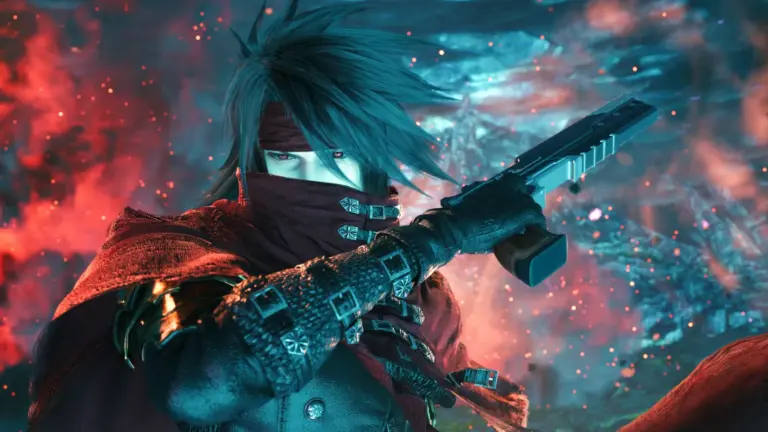
Recent entries have shifted toward movement, dodging, weapon combos, and timing. Final Fantasy VII Remake blends direct action with commands and tactical slowdown; XVI centers a more continuous action loop. Action combat can make each battle feel personal and kinetic, while reducing the traditional emphasis on party menus. The label “Final Fantasy” alone does not tell a player exactly how combat works.
Stories that start fresh, motifs that carry forward
Most mainline stories stand alone. Players may encounter recurring names, creatures, spells, or themes, but they should not assume a direct sequel. Final Fantasy X and X-2 are connected, and XIII has related entries; VII has its own expanded universe and remake project. Those are exceptions to a broad pattern of new worlds and casts.
Stories often begin with a local conflict and widen into questions about power, memory, identity, technology, faith, or the cost of saving a world. The party structure lets different characters interpret the same crisis from their own histories. A game’s pacing may alternate between exploration, dialogue, combat, and spectacle. More directed entries suit players who prefer a tight plot; wider zones and side quests suit players who enjoy wandering.
Older entries can use conventions that now feel abrupt: random encounters, long stretches without reminders, or limited quest tracking. Those conventions are not automatically bad, but they change the attention required. Remasters may add speed controls, save options, or interface changes that make a classic more comfortable without replicating its original rhythm exactly.
Entry Points by Play Style
For traditional turn-based combat: Final Fantasy X is a clear, story-led starting point. For a classic 16-bit adventure: Final Fantasy VI offers a large ensemble and a rich 2D presentation. For the franchise’s cultural impact: The original Final Fantasy VII is historically significant, while the remake series offers a different modern interpretation. For real-time action: Final Fantasy XVI and VII Remake feature real-time action. For a shared online world: XIV is a separate commitment, built around continuing service and multiplayer.
Setting can also distinguish the entries. One game may feature airships and kingdoms; another may blend modern cities with fantasy or use science-fiction themes. The series has no single required order because each mainline title introduces a new world.
Online entries and time commitment
Final Fantasy XI and XIV are the series’ large online branches, so their stories unfold within ongoing services rather than one self-contained release. Final Fantasy XIV’s main scenario carries players through successive expansion arcs; XI retains a more old-school, party-centered structure. Both require online access, but their long-form story cadence is the main difference from the numbered single-player entries. Account terms vary by platform and region.
Final Fantasy XIV’s release history also includes a major rebuild. Its original 2010 launch was replaced by A Realm Reborn in 2013. That history matters when players compare versions or discuss the game’s design. Online worlds are living products; availability, expansions, account rules, and server populations can change over time.
Localization, music, and global audiences
Final Fantasy localization has to carry both character voice and the invented vocabulary of each world. Spell names and job labels sit between interface and fiction: they need to suggest what a command does while preserving the setting’s tone. That task becomes sharper when a main entry changes its cast, rules, and terminology instead of inheriting one glossary from a direct sequel.
Music gives each entry a distinct emotional vocabulary. Orchestral themes, electronic textures, folk-like melodies, and recurring motifs can make a setting recognizable before the player sees it. Soundtracks have reached audiences well beyond game players, yet their role remains interactive: battle themes, town music, and travel cues help shape how the world feels minute to minute.
Common misconceptions about the series
- “I have to begin at I.” Most numbered games are separate stories and systems.
- “Every entry is turn-based.” Combat ranges from command menus to real-time action and hybrids.
- “A remake is the original with better graphics.” Remakes can add chapters, change combat, and reinterpret scenes.
- “The newest game is the best entry point.” It may be, though combat and pacing differ from one entry to another.
- “Every game is fantasy in the same sense.” The settings range from traditional magic to technology, politics, and science fiction.
These assumptions often make the series seem harder to approach than it is. The title number indicates franchise history rather than story order.
Why Final Fantasy lasts
Final Fantasy’s longevity comes from balancing continuity with change. A new entry can make its own rules, yet familiar sounds, creatures, jobs, and emotional scale create a recognizable family. That freedom is a risk: fans who love one combat style may not enjoy the next. It is also how the series keeps creating new entry points rather than polishing one formula forever.
The strongest question to ask is not “Which is the definitive Final Fantasy?” but “Which world and battle rhythm fit me?” The series includes quiet character drama, theatrical spectacle, political conflict, exploration, turn-based planning, action combat, and online community. A player can enter through any of those doors and still understand why the name carries so much history.