RPG and Action RPGs: Combat and Builds
 by
in
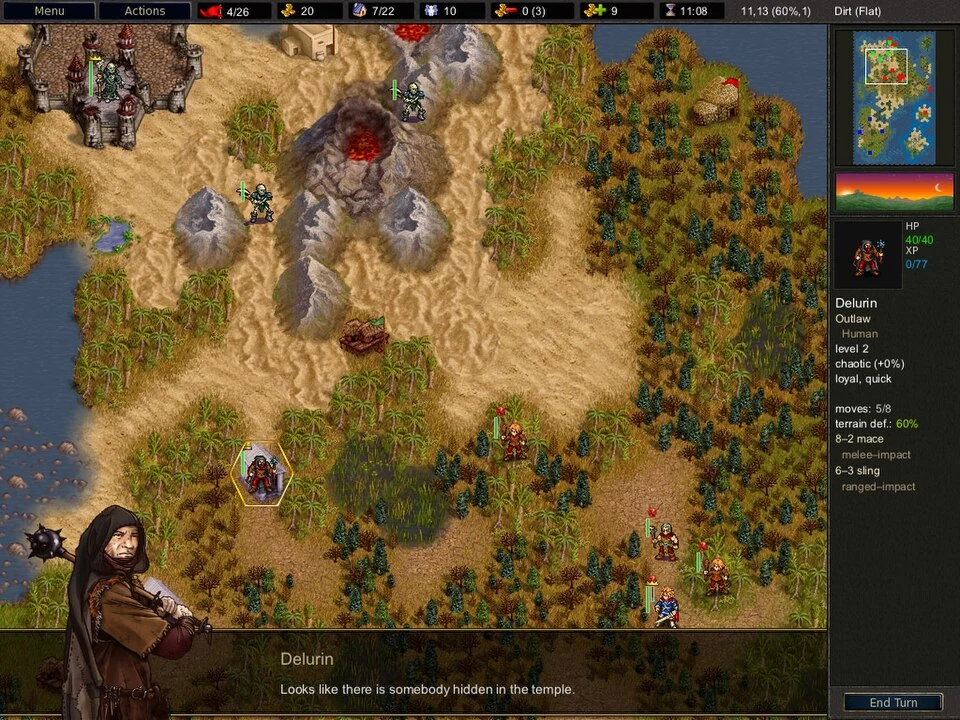
An RPG is defined by meaningful character growth, but that growth can take many forms. RPGs differ by the parts of role-playing they put under player control: party composition, character builds, narrative decisions, battle tactics, or world exploration.
Role-playing games invite a player to develop a character or party over time. That development might come from levels, equipment, dialogue choices, party roles, or a changing understanding of the world. The label covers games with very different rhythms: a menu-driven turn-based adventure can be as much an RPG as a fast real-time action game.
Action RPG describes real-time combat built around movement, timing, aiming, or direct ability use. It does not mean the game has little story or character growth. Likewise, a turn-based battle is not automatically slow or simple. Genre labels describe a cluster of design choices, and many modern games combine several clusters.
RPG styles compared
| Style | What the player mainly manages | Good fit when you enjoy | Trade-off |
|---|---|---|---|
| Turn-based party RPG | Party roles, abilities, and turn order. | Planning before committing to an action. | Combat can pause the story and feel menu-heavy. |
| Action RPG | Positioning, timing, equipment, and builds. | Learning enemy patterns through direct control. | Real-time execution can matter more than dialogue choices. |
| Tactical RPG | Units, terrain, range, and turn order on a grid. | Solving battles like compact strategy puzzles. | One encounter can take a long time. |
| Open-world RPG | Exploration, quests, skills, and self-directed goals. | Making a character through choices in a large setting. | Optional content can dilute the central story. |
| Computer RPG | Build rules, dialogue, party composition, and quest outcomes. | Testing how systems respond to different approaches. | Dense rules and interfaces may take time to learn. |
| Online RPG | Roles, equipment, group coordination, and persistent progress. | Shared goals and long-term character development. | Progress can depend on updates, communities, or service access. |
| Action adventure with RPG elements | Combat upgrades and a lighter form of progression. | A focused story with a few meaningful upgrades. | Character systems may be shallower than the label suggests. |
What “role-playing” means in practice
Progression and play style
A level number is only a record. Strong progression gives the player a new capability, a different risk profile, or a stronger reason to combine abilities. A healer who can rescue a party from a mistake changes how boldly the group can act. A stealth skill may open a new route. A weapon upgrade may reward a player for mastering a different attack window. If each increase only makes familiar actions slightly larger, growth can feel like bookkeeping.
Build systems also carry a cost. A skill tree with many branches can create a distinctive character, yet it can punish experimentation if points are permanent or scarce. A flexible respec option lowers that risk. In games without one, clear descriptions and early low-cost skills matter. Skills that change an action, improve a statistic, or open a new route offer distinct kinds of value. Clear descriptions and low-cost early skills make those differences easier to see.
Story choice can be dramatic or systemic
Some RPGs let the player choose a line of dialogue and see a scene change. Others record decisions that surface later through alliances, quest access, or endings. Neither model is automatically deeper. A small choice with a visible consequence can feel more meaningful than a menu of nominally different responses that all lead to the same outcome.
Role-playing also occurs without a branching script. Choosing to protect a fragile companion, refusing to use a powerful item, or building a character around a theme can create a personal story. The game has to provide enough consistent rules for the player to imagine a role and act within it.
Party roles create tactical texture
Classic party RPGs often divide abilities among fighters, healers, support characters, and damage specialists. That division encourages preparation and coordination. A single-character action RPG may express those roles through equipment and skills instead: the same character can shift from defense to speed, or from direct attacks to ranged control. Party-based play offers more combinations; solo play can make each move feel more immediate.
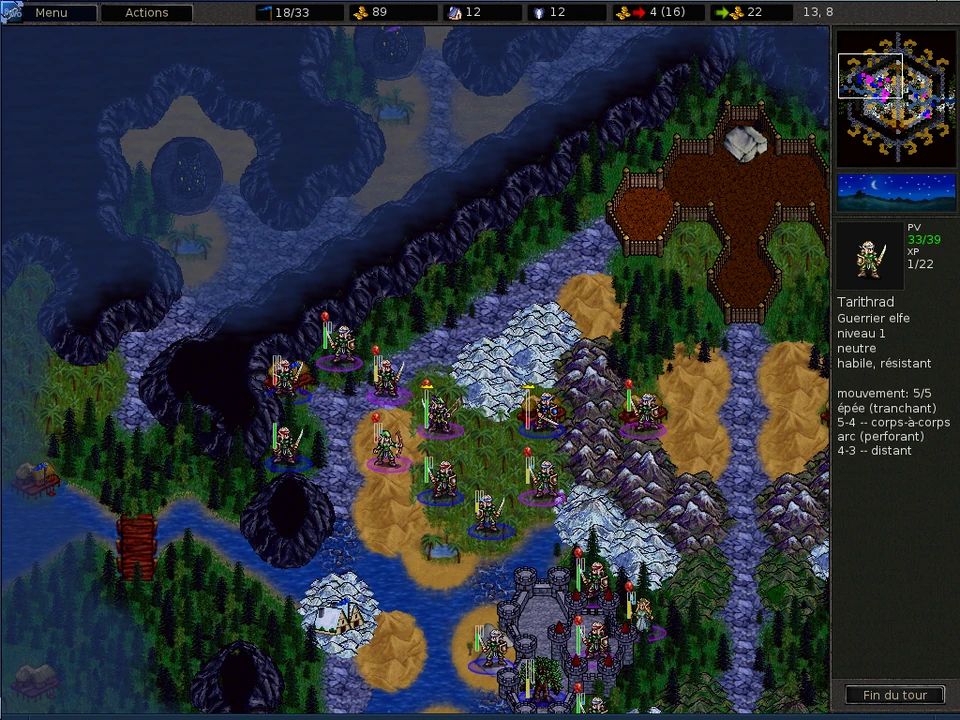
RPG Styles by Combat Loop
Combat loops by RPG style: Turn-based and tactical RPGs center on weighing options. Action RPGs emphasize reading an enemy and responding with a dodge or counter; co-op hunts and online RPGs organize mastery around group coordination against powerful enemies.
- Turn-based comfort: Final Fantasy X offers a clearly structured party battle, while Dragon Quest XI uses a more traditional command-based format.
- Real-time exploration: Dragon’s Dogma 2 ties vocation-based character growth to an explorable world and a customizable party.
- Timing and defense: Dark Souls and Bloodborne make enemy observation central to survival.
- Build experimentation: Diablo IV and Path of Exile use loot and ability combinations to support repeated character planning.
- Grid tactics: Fire Emblem: Three Houses links unit relationships with turn-based battlefield decisions; XCOM: Enemy Unknown makes cover and squad risk central.
- Party storytelling: Baldur’s Gate 3 combines dialogue, tactical battles, and a cast whose abilities invite different solutions.
- Cooperative hunts: Monster Hunter: World turns equipment preparation and boss reading into a shared skill.
These examples differ in intended audience and demands. Some feature mature themes, long campaigns, dense interfaces, or online requirements; their central activities and time commitments also vary.
How RPGs manage time and difficulty
Length is not the same as depth. A forty-hour story can be tightly paced; a shorter game can ask for repeated practice. Many RPGs give players more than one way to control difficulty: adjustable combat settings, optional side quests, respecs, party composition, or an alternate route around a difficult encounter. A game that lets a player prepare can feel fair even when its battles are demanding.
Grinding - repeating encounters to gain levels or materials - can be a deliberate loop, but it can also signal a mismatch between the player’s build and the game’s intended challenge. Boss difficulty can depend on status effects, equipment, elemental weaknesses, defensive skills, or party roles. In games with unclear rules, repeating the same fight without changing the approach often adds time without clarity.
Action RPGs sometimes tie challenge to reflexes, while tactical and turn-based games place more weight on anticipating consequences. Accessibility settings matter for both. Slower combat, adjustable text, remappable buttons, aim assistance, and clear visual cues can change whether a system is usable without changing its strategic identity.
Global traditions, not one RPG template
Computer role-playing games developed alongside tabletop play and early university computing. Console RPG traditions grew through Japanese series such as Dragon Quest and Final Fantasy, then circulated internationally through localization, fan communities, and later digital releases. Western computer RPGs often emphasized flexible character creation, dialogue systems, and rules adapted from tabletop designs. These are tendencies, not borders: creators borrow across regions, and players around the world have shaped every tradition.
Regional traditions are tendencies rather than sealed categories. A computer RPG may make character creation and dialogue rules highly visible, while a console RPG may use a fixed cast and carefully paced journey; modern games freely combine both approaches. The useful comparison is what the player can shape - build, party, dialogue, or route - not the country attached to a label.
Common RPG Questions
Do I need to play a series in order?
Often not. Many numbered Final Fantasy entries tell separate stories. Direct sequels and shared-world series may assume prior knowledge, depending on whether a specific entry continues an earlier plot. A series’ title number alone does not establish whether its entries form connected chapters.
Is an action RPG still an RPG?
Yes, when character growth, role choices, equipment, or progression meaningfully shape play. The real-time combat describes how battles unfold; it does not erase the role-playing structure.
Should I optimize every build?
No. Most single-player RPGs allow a workable character without perfect planning. Optimization matters more in high-difficulty modes, competitive play, or endgame content that expects specific roles.
Why do some RPGs feel slow?
They may have long dialogue, repeated encounters, travel time, or layered menus. Those elements can support a sense of scale, but they can also interrupt momentum. A demo, an early chapter, or a short gameplay overview can show the pace better than a genre label.