Xbox Gaming: Consoles and Games
 by
in
Xbox grew from a console challenger into a gaming ecosystem spanning hardware, Windows, online services, and subscriptions. It appeals most to players who value a connected library.
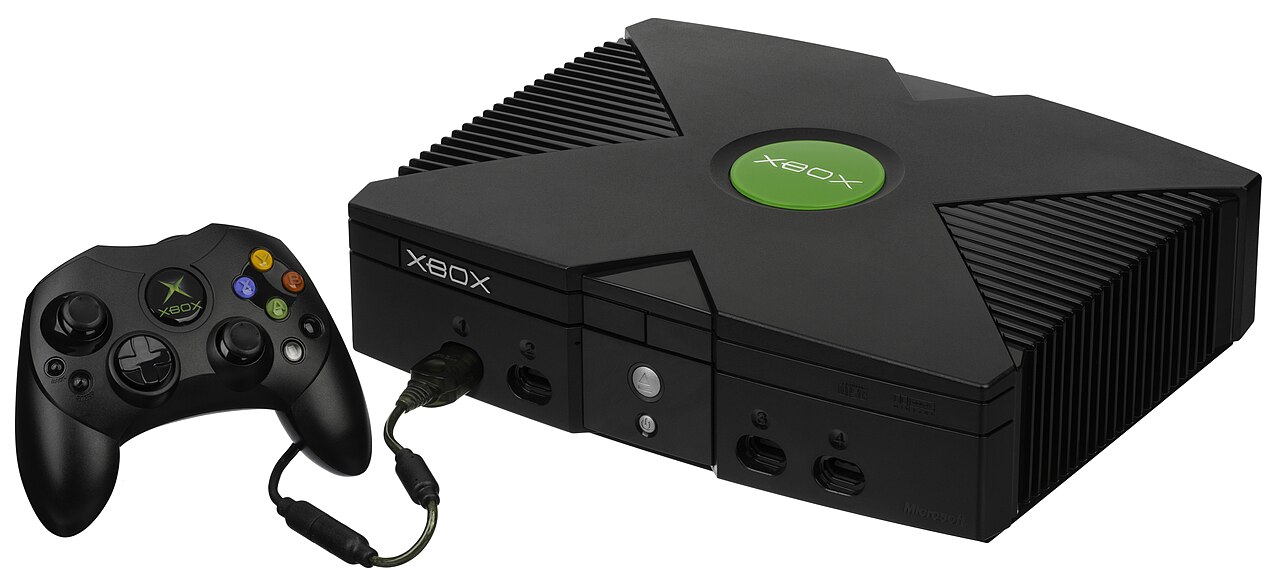
Xbox entered the console market in 2001 with a system built for powerful 3D games and online possibilities. Across the original Xbox, Xbox 360, Xbox One, and Xbox Series systems, the brand developed a strong identity around Halo, Forza, Gears of War, Xbox Live, and broader access to Microsoft-published games. The console is now part of a larger ecosystem that also includes Windows PCs and subscription services.
That breadth can make Xbox attractive to players who want games across devices or an online library. It can also make the platform harder to summarize: hardware, catalogue access, and subscription benefits vary by region, plan, and date. A good comparison separates what the Xbox console does from what the account, service, or individual game provides.
Xbox generations at a glance
- Original Xbox (2001): introduced Microsoft’s console line, a built-in hard drive, and a strong association with Halo: Combat Evolved.
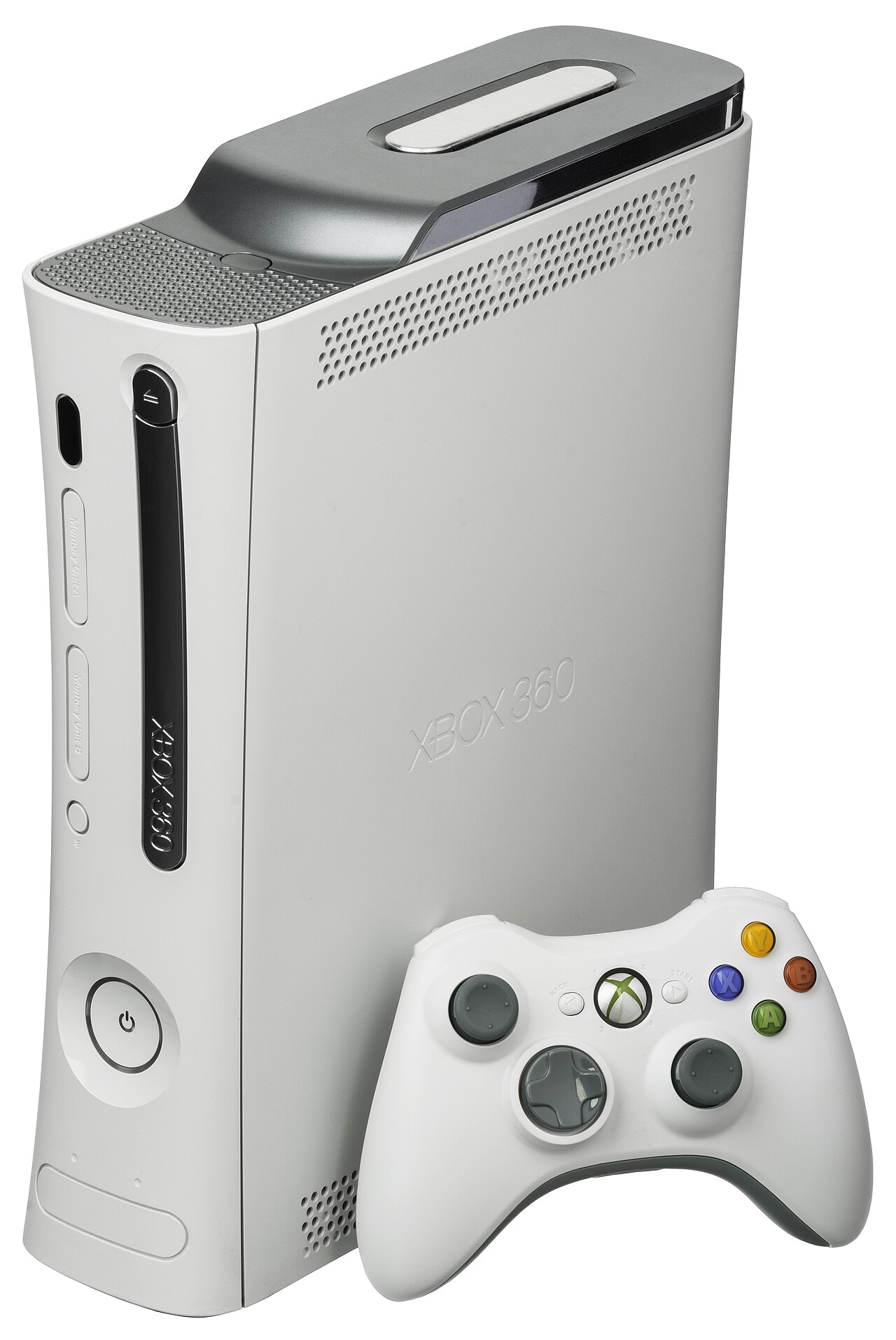
- Xbox 360 (2005): helped normalize connected console profiles, achievements, online multiplayer, and digital downloads.
- Xbox One (2013): expanded the system’s entertainment features and introduced a new generation of digital sharing and network services.
- Xbox Series X|S (2020): offers two hardware configurations with different priorities in size, price, and performance.
Dates refer to broad launch windows; country release timing and product names can vary. Hardware revisions, storage options, and bundle configurations add more variations within each generation.
What the Xbox game library is known for
First-person shooters and racing games have been core Xbox strengths. Halo built the brand’s early identity through a campaign designed around movement, weapons, and co-op; Forza splits into accessible open-road racing and a more simulation-oriented track series. Gears of War made cover-based third-person combat a defining format. The platform also supports strategy, role-playing, indie games, sports, family play, and large online worlds.
| Series or category | Signature appeal | Best fit for |
|---|---|---|
| Halo | Science-fiction campaigns and competitive multiplayer. | Players who like readable arenas and distinct weapon roles. |
| Forza Horizon | Open-road racing with events and exploration. | Arcade racing without a strict simulation approach. |
| Forza Motorsport | Track-based driving and vehicle tuning. | Players who enjoy lap consistency and car setup. |
| Gears of War | Cover-based action and cooperative campaigns. | Weighty third-person combat. |
| Microsoft Flight Simulator | Aircraft systems and global-scale scenery. | Players who value procedure and calm exploration. |
| Indie and third-party catalogue | A broad range of genres across game sizes. | Players who use the platform as a library, not only for exclusives. |
Release strategy changes over time. Games published by Microsoft may appear on Xbox and PC, and some arrive on other consoles as well. “Xbox game” can refer to a game built for Xbox hardware, an Xbox account entitlement, a Windows release, or a title included in a subscription catalogue. Platform availability depends on the specific game and edition.
Xbox as an ecosystem
Xbox Live helped make the console profile a social identity. Friends lists, party chat, achievements, and downloadable content made play more connected across households. Later, Xbox Game Pass and cloud features added another layer: a player might access a game through a subscription, install it on a console or PC, or stream it where that option is supported. These features change by market and plan, so a general description cannot guarantee availability to every account.
Subscriptions are best evaluated by how often a player uses the included catalogue and by what happens when a game leaves it. They are not the same as owning a game outright. A purchase typically remains tied to an account license or physical disc, while a subscription allows play under active terms. Cloud saves, online multiplayer, cloud streaming, and library access may be separate benefits.
Windows integration can make the Xbox ecosystem useful even for someone who does not own a console. Some games support cross-save or cross-play between Xbox and PC; others maintain separate versions or progression. A shared brand does not guarantee that one purchase unlocks every platform. Support for Play Anywhere, cross-progression, or cross-buy depends on the specific game and offer.
Series X and Series S: different priorities
The two Series consoles share a generation but target different configurations. Series X emphasizes stronger performance and disc support on compatible models; Series S is a smaller, digital-focused system with different hardware capacity. That distinction affects the games a player can run, the way they access physical libraries, and how much storage is available. Exact specifications and bundle contents can change across revisions.
The models differ in support for games and features such as resolution modes, frame-rate options, physical discs, expandable storage, and backward compatibility. A game can run on both consoles while offering different visual targets. Compatibility with earlier Xbox games is selective and varies by title; it is not a guarantee for every disc or digital game from every generation.
Separate hardware from access. A subscription catalogue, a cloud stream, a backward-compatible download, and a disc purchase are different routes to the same title. Each has its own requirements and limits.
Cross-play and online community
Online play can extend a game well beyond its campaign. Xbox profiles, voice chat, parties, and multiplayer services make it easy to play with friends, but each title sets its own rules. Cross-play may be enabled for some modes and disabled for others. Competitive games can separate or match players by input type, rank, or platform.
Player populations are also regional and time-dependent. A multiplayer game with an active community in one country may have longer matchmaking elsewhere. Language, time zone, server region, cross-play, and solo or co-op content all affect a game’s suitability for multiplayer. A long-running service can change maps, content, progression, or server availability.
Account settings let parents and players manage privacy, communication, screen time, and age access. For children, permissions and moderation tools can shape multiplayer more than the console’s performance does.
Where the Xbox ecosystem pays off
- One game, more than one device
- Some titles connect console and Windows play through cross-save, cross-play, or Play Anywhere. Each feature has its own supported-game list.
- A rotating library
- A subscription can make sampling easier when its local catalogue matches your tastes; access ends or changes under the service’s terms.
- An established multiplayer group
- Profiles, parties, and cross-play can simplify coordination, but the game, input type, and regional player population set the actual limits.
- A physical or older library
- Some past Xbox games work on current hardware, while Series S is digital-focused. Confirm compatibility and disc support for the exact model.
A PC-only title elsewhere, a large disc collection paired with a digital-only console, or a preference for frequent hardware upgrades may shift the balance. Those are specific access mismatches rather than a verdict on the Xbox catalogue.
Regional differences matter
Xbox services are not identical worldwide. Storefront currencies, payment methods, subscription catalogues, cloud features, age-rating systems, and supported languages can differ. Network infrastructure and local rules may also affect multiplayer or streaming. A game advertised through a global campaign may not reach every national store in the same release window.
Hardware availability can vary too. Bundles may include different games or subscriptions; some markets receive different storage models or launch dates. For players importing a console, power requirements, warranty service, account region, and local streaming support are worth checking before assuming it will work like a locally sold device.
How Xbox Access Varies by Game
Xbox game access depends on the edition and service: a title may support console, Windows, or both; it may be included in a regional subscription catalogue or sold separately; progress may or may not carry between devices; and multiplayer may require an active membership. These details determine fit more clearly than a general feature list.
Repeat the check for one older favorite and one friend’s game. If all three fit the same account, devices, and region, Xbox’s connected model may reduce friction. If access depends on separate editions or a rotating catalogue, account for that extra complexity. The platform’s value comes from how its library and services meet actual play habits.