8-Bit and 16-Bit Gaming
 by
in
“8-bit” and “16-bit” are convenient era labels, not complete descriptions of a console’s abilities. The games of these decades were shaped by limited memory, new home hardware, and designers finding expressive ways to work within those limits.
The 8-bit and 16-bit eras cover a period when home consoles and personal computers became central ways to play. The labels come from processor architecture and marketing language, but they do not describe every detail of graphics, sound, or performance. Hardware differed by manufacturer, and a “16-bit” system did not automatically produce better art or more interesting design.
Developers used the available tools in distinctive ways. Clear sprites, tile-based environments, scrolling, sampled sound, and carefully staged levels helped small machines create memorable worlds. Cartridge space and storage also encouraged compact games built for repeat play.
Major systems and regional names
| System family | Primary markets and era | What players remember |
|---|---|---|
| Famicom / NES | Japan from 1983; NES branding in North America and other regions. | Console platformers, action adventures, RPGs, and a defining cartridge library. |
| Master System | Strong in several markets, including Europe and Brazil. | Bright 8-bit visuals, arcade conversions, and a distinct regional following. |
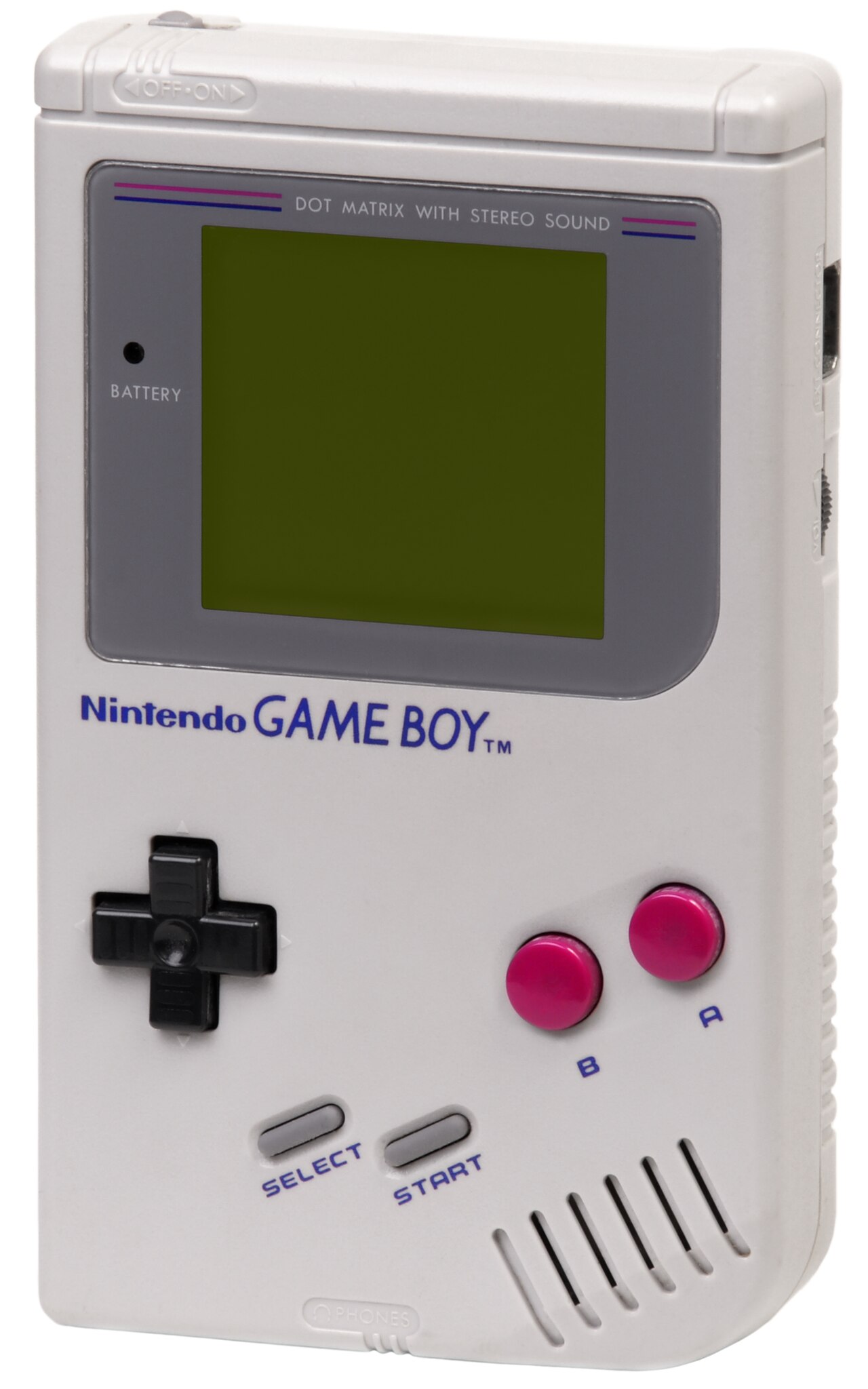
| Game Boy | Portable play from 1989 onward across major markets. | Compact games, battery-powered sessions, and social trading in Pokémon. |
| PC Engine / TurboGrafx-16 | Japan and North America, with different naming and catalogues. | Arcade-style action and an unusual hardware position between eras. |
| Mega Drive / Genesis | Japan, Europe, and North America under different branding. | Fast action, sports, and a strong 16-bit rivalry with Nintendo. |
| Super Famicom / Super Nintendo | Japan from 1990; North American and European launches followed. | Detailed 2D worlds, music, role-playing games, and platformers. |
| Amiga and home computers | Especially influential in parts of Europe and other international markets. | Mouse-driven adventures, simulations, strategy, and music tools. |
Launch timing and product names varied. A game might arrive in Japan first, use a different title abroad, or remain exclusive to one regional catalogue. Lists that treat a US release as the only release hide important parts of the era.
How limitations became style
Memory and storage limits encouraged efficient visual communication. A small number of colors could create strong contrast; repeated tiles could suggest a large environment; a few animation frames could make a character feel alive. Designers often used scrolling to reveal the world at a controlled pace. The player saw enough to anticipate a jump or threat, but not always enough to know what came next.
Sound hardware shaped musical composition. Chiptune melodies use distinctive tones, repetition, and short motifs that remain recognizable even through a narrow range of instruments. A strong theme could give a level its identity in only a few seconds. Sound effects competed with music for the same hardware resources, so designers made each cue carry several jobs.
Cartridges created a specific relationship between the game and the machine. The title could load quickly and run without installing to storage. Some cartridges included extra chips to expand what the base system could do. Yet storage remained constrained compared with later optical media, encouraging repetition, code reuse, short text, and compact worlds.
Genres that defined the era
Platformers made movement legible
Super Mario Bros. and its successors use a side view to make distance, speed, and jumps easy to read. The player moves through a sequence of hazards and rewards. Sonic the Hedgehog put more emphasis on momentum and speed, requiring levels that allow movement to feel exhilarating without removing control.
Action adventures turned maps into memory
The Legend of Zelda and Metroid invite players to remember rooms, landmarks, and blocked routes. A new item may open a path that was visible much earlier. The structure creates a personal map in the player’s mind, even when a paper map or game manual helps with orientation.
Role-playing games made a cartridge feel expansive
Dragon Quest, Final Fantasy, Phantasy Star, and other RPGs used towns, parties, battle screens, and repeated encounters to support long journeys. Localization could transform a game’s text and sometimes its difficulty. Players who encountered these titles in different regions may remember different versions of the same adventure.
Fighting and sports games made play social
Street Fighter II, sports games, and local multiplayer platformers turned a console into a shared activity. A controller passed between friends; a split screen made competition visible. The games’ limited rules often made the rivalry easy to explain.
The 8-bit to 16-bit change was not a simple upgrade
Sixteen-bit machines offered richer palettes, more detailed backgrounds, and stronger sound, but design did not advance in a straight line. A well-made 8-bit game can be clearer, faster, or more memorable than a technically impressive 16-bit release. Hardware also differed in how it handled scrolling, color, sound, and add-on chips. Developers learned those strengths over time, so late-era games sometimes appear more capable than launch titles.
The console rivalry between Nintendo and Sega made technical identity part of marketing. Sonic’s speed and attitude contrasted with Mario’s precision and welcoming style. The Super Nintendo and Mega Drive/Genesis supported different strengths and libraries; regional partnerships could make one system more visible than another. The best choice for a player depended on local release patterns, language, friends, and genre preferences.
Bit counts alone do not describe a game’s design. Level design, controls, sound, and hardware constraints show how developers used each system.
Playing 8-bit and 16-bit games now
Presentation settings can change how 8-bit and 16-bit images read on a modern screen. Original aspect ratio protects sprite proportions, while scaling filters alter edges and color adjustments can change contrast. A comparison between the default view and a pixel-accurate option on a typical level shows how each filter affects proportions, edges, and contrast.
Save states and rewind make it easier to repeat a difficult jump, test a route, or learn an enemy pattern, but they alter games often built around limited lives and memorized stages. They can work as practice tools before a full run without them. The distinction is useful: one mode helps a player inspect the design, the other preserves its original consequences.
Many games from this period assume a small D-pad and a few primary buttons. A later port can map those actions to a different controller or change how repeated inputs register. Test diagonals and timing in a safe stage before deciding a game feels imprecise; the input rhythm is part of the design being revisited. A controller test belongs in a quiet early level, not a boss fight: note whether diagonals register, if a jump can be corrected midair, and how long a button must be held. That separates input behavior from difficulty.
Regional memories and global circulation
There was no single worldwide 8-bit childhood. The Master System had a particularly strong presence in some countries; home computers such as the Commodore 64 and Amiga shaped many European players’ experiences. In parts of Latin America, locally distributed systems and licensed hardware shaped access. Prices, imports, and retail networks influenced which games became familiar.
These differences also shaped language. Some titles were translated late or never, and fans created their own translations. A game’s international identity may come from a local magazine, a borrowed cartridge, a copied disk, or a cousin’s console as much as from the publisher’s official campaign. Regional histories are part of the medium, not footnotes to a single market.
What the era still teaches designers
- Make the core action obvious: movement, attack, or interaction should read from the screen.
- Repetition with variation: familiar patterns help players learn; a new wrinkle renews attention.
- Make sound memorable: a short musical motif can carry a whole level’s identity.
- Respect the player’s memory: maps, item clues, and repeated landmarks can create satisfying discovery.
- Let constraints shape a style: less detail can increase clarity when the important information stays visible.
The 8-bit and 16-bit eras remain compelling because their games expose their rules. A player sees the jump, enemy, route, or puzzle and learns through action. Hardware limits encouraged concise communication, while local multiplayer and cartridge ownership made play tangible. Those qualities persist in modern independent games and retro-inspired design, even when new hardware removes the old restrictions.