The Elder Scrolls: Games and Worlds
 by
in
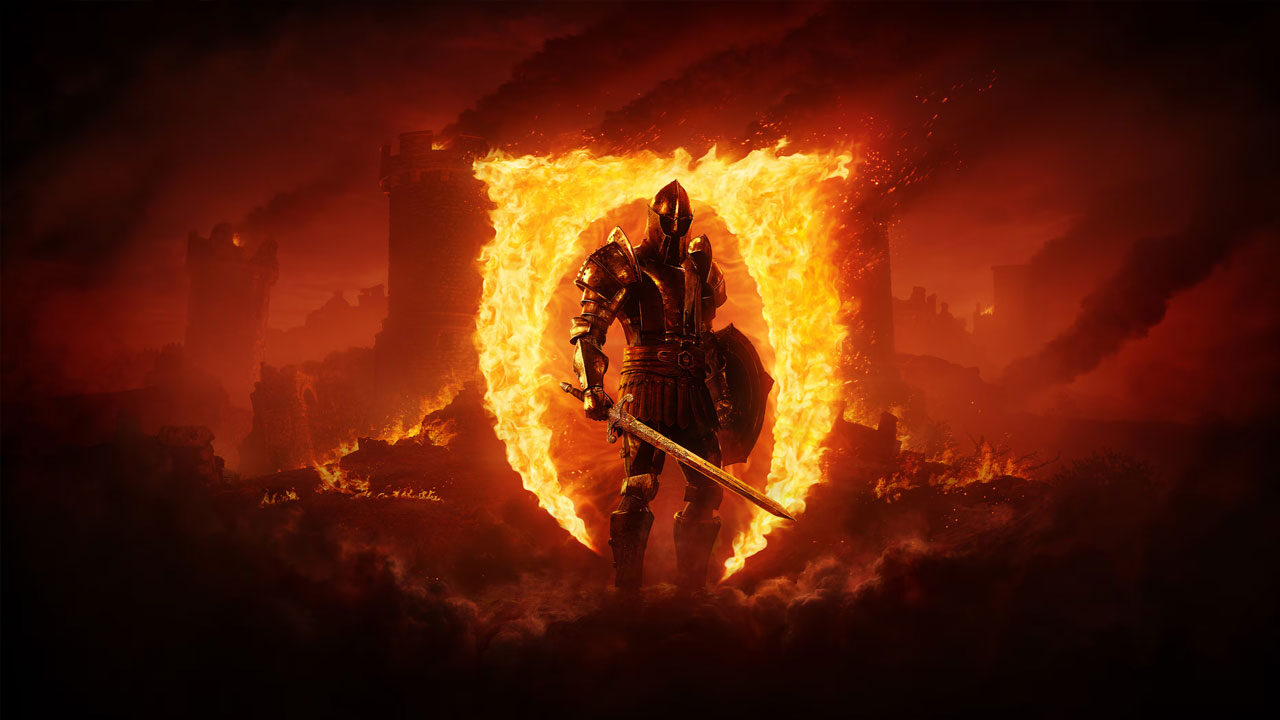
The Elder Scrolls turns fantasy role-play into a personal route through Tamriel. The series’ biggest promise is freedom to wander, but each entry balances that freedom against different levels of structure, simulation, and guidance.
The Elder Scrolls is a fantasy role-playing series developed by Bethesda Game Studios and published by Bethesda Softworks. It began with Arena in 1994 and built a shared world called Tamriel across Arena, Daggerfall, Morrowind, Oblivion, Skyrim, and the online game The Elder Scrolls Online. Each major single-player entry centers a new crisis and region, so players can enter the series without completing every earlier chapter.
The franchise is known for first-person and third-person exploration, character freedom, factions, quests, lore, and player-made modifications. Its worlds invite the player to leave the main road and find a cave, settlement, book, or unexpected quest. That openness can be absorbing; it can also leave a new player without a clear sense of what matters next.
The single-player series in sequence
| Game | Region and design identity | What to know before starting |
|---|---|---|
| Arena (1994) | A broad early conception of Tamriel and a first-person fantasy role-playing structure. | Historically important, but its interface and presentation are old. |
| Daggerfall (1996) | Large procedural regions, character rules, and a dense simulation ambition. | Its scale and systems can feel opaque to modern players. |
| Morrowind (2002) | A distinctive island setting, faction paths, and unusual lore. | Movement, dialogue, and combat reflect early-2000s PC and console design. |
| Oblivion (2006) | A more guided story in Cyrodiil with voiced characters and a broad quest network. | Level scaling and character progression shape the challenge. |
| Skyrim (2011) | A northern province designed around visible landmarks and flexible play. | It is the most approachable main entry for many newcomers, though not the only way in. |
| The Elder Scrolls Online (2014) | A shared online world that visits regions across Tamriel. | It is a multiplayer service with different pacing and systems from the solo games. |
Release timing varies by territory and platform. Special editions, expansions, and remasters add further versions. When talking about a quest or mechanic, name the specific game and edition; a feature introduced in one entry may work differently in another.
What makes an Elder Scrolls world feel open?
A mountain, ruin, city, or road can set a destination before a quest does. The world leaves room for guilds, side quests, crafting, and unexpected encounters. Skills develop through use, so a character may become a warrior, mage, thief, or a mix of all three. Two players can follow the same main story and still spend their time differently.
That freedom comes from connected systems. Skills influence what a character can do; factions offer different social routes; equipment changes combat; books and conversations extend the lore; and the landscape provides physical obstacles or shortcuts. When these systems reinforce one another, a small detour can feel like the player’s own discovery. When they do not, the game can become a checklist of markers and generic enemies.
Skyrim’s design makes landmarks easy to read and the central adventure relatively clear. Morrowind asks the player to pay closer attention to written directions and local dialogue. Daggerfall pursues scale and simulation with less hand-holding. None is a universal improvement over another. Skyrim offers clearer direction, Morrowind rewards attention to atmosphere, and Daggerfall emphasizes systemic complexity.
Role-Playing and Character Identity
Character creation often sets the tone before the first quest. A player selects a race, skills, equipment, or attributes, then decides what the character values through behavior. The series is generally permissive: a role can evolve as a player experiments. A character trained in stealth can later learn magic; a wandering fighter can become involved in politics or guild work. This flexibility supports personal stories, though it can reduce the pressure to make a distinct build.
Books, local stories, and environmental details explain the factions and conflicts surrounding those choices.
Combat differs by entry and can feel less responsive than a dedicated action game. Older games use hidden skill checks or dice-like systems behind a first-person view; later games make hits and movement more direct. Players who expect every swing to connect based on animation may find the earlier combat confusing. Understanding the underlying character skill is essential to reading what happened.
How the major entries feel
Morrowind: a strange, authored place
Morrowind’s island of Vvardenfell is unusual in landscape, politics, architecture, and belief. It offers a carefully imagined setting and more involved faction structure, but its interface, navigation, and combat require patience. Directions may be given in dialogue rather than marked as a compass destination. This can make exploration more deliberate and local knowledge more valuable, yet some players will find the friction dated rather than immersive.
Oblivion: Guided Quests and Open-Ended Play
Oblivion centers Cyrodiil and gives the main story a clearer high-fantasy shape. Its city and faction quests offer strong reasons to leave the central plot. Character scaling can keep many enemies relevant, but the world can also feel as though it levels alongside the player. That choice supports broad exploration while making some forms of progression less visibly powerful.
Skyrim: landmarks, flexibility, and a broad entry point
Skyrim encourages players to follow the landscape. A mountain peak, ruin, or city appears on the horizon; reaching it often reveals another thread. Its flexible skill system and familiar fantasy setting make it an approachable starting place. The trade-off is that the open structure can scatter attention. A player may accumulate quests and locations without feeling a strong narrative arc.
Online play in ESO
The Elder Scrolls Online uses Tamriel as a shared world, but its route through the setting differs from a single-player quest. Much of its zone story can be explored alone, while group dungeons and public events add coordination and character roles. Its appeal is the breadth of a living version of Tamriel; the trade-off is combat and progression designed for an online service rather than one authored campaign.
The modding ecosystem
PC versions of The Elder Scrolls games have long supported community-made modifications. Mods can adjust graphics, repair bugs, change balance, add quests, improve interfaces, or transform a game into something nearly unrecognizable. This creative layer helps older entries remain active and lets players tune friction points. Console mod support, when available, is more restricted and varies by platform and title.
Mods create maintenance work. A modification may depend on a particular game version, another mod, a loader, or files that conflict. Large changes can break saves after an update. Backups, compatibility notes, and a clear path back to an unmodified installation help reduce the risk of conflicts. For a first playthrough, the original game or official patches provide a useful baseline; for a returning player, a carefully chosen mod set can make an old system easier to approach.
Mods are a form of player authorship, not a guarantee of improvement. They can add features, but can also change pacing, tone, stability, and challenge. Versions may prioritize preservation, convenience, or a new interpretation.
Elder Scrolls Entry Points
- For a broad first-person fantasy adventure: Skyrim offers the clearest route into the series’ open-world style.
- For a more unusual setting and stronger local lore: Morrowind rewards players who enjoy reading directions and learning a place.
- For an earlier 3D interpretation: Oblivion balances a guided central story with faction adventures.
- For early PC role-playing history: Arena and Daggerfall reveal the series’ roots, though their interfaces require more tolerance.
- For group play and a persistent world: ESO is the separate online branch.
There is no required narrative order for understanding the main games. They share history and institutions, but each story centers on a new protagonist and regional crisis. Each entry supplies the characters and information needed to follow its central plot; supplementary series lore is optional.
Strengths and limitations of open-world freedom
Freedom makes the player feel responsible for the shape of a journey. It supports role-play, wandering, and non-linear problem solving. A quest can be postponed; a character build can reflect personal taste; a location can become meaningful through an accidental encounter. These games are particularly strong for players who enjoy setting their own pace.
Open-ended design can also create uneven pacing. A player may meet a difficult enemy too early, lose track of the central story, or repeat similar tasks across a wide map. Inventory management, old dialogue interfaces, and uneven quest writing can add friction. Accessibility varies across versions, and the first-person view may be uncomfortable for players sensitive to camera motion.
The series is a set of distinct worlds rather than a single checklist. Each entry supports a different balance of main story, faction quests, and open-ended travel. Its freedom works best when the available systems support the style of play a player prefers.