PlayStation: Consoles and Games
 by
in
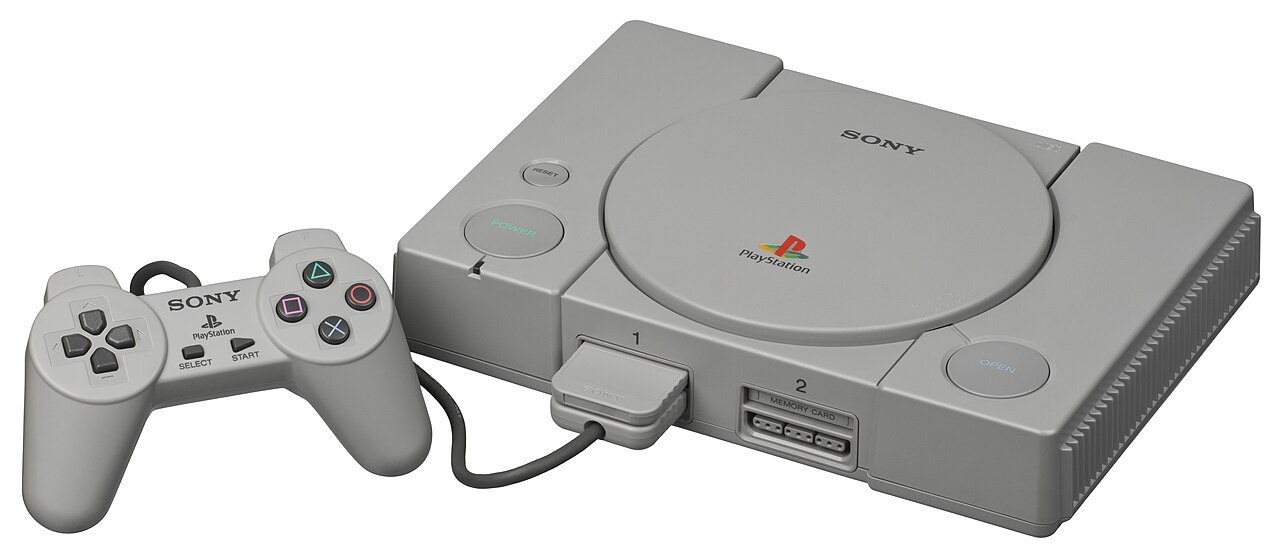
PlayStation grew from a disc-based 3D console into a family of hardware, services, and studios. Its defining strength is the relationship between platform design and a broad catalogue of cinematic, action, and role-playing games.
PlayStation is a console brand and game ecosystem that began with Sony’s first home system in the mid-1990s. The original PlayStation helped make CD-based 3D games a central part of console play. Later generations added online networks, high-definition output, motion controls, digital libraries, and faster storage. Each system has its own library and compatibility rules, so “PlayStation” is not one interchangeable platform.
PlayStation offers a dedicated living-room device, a substantial catalogue, a familiar controller lineage, and platform-specific features. Console generations, editions, accounts, and regional availability can complicate access to older games. The relevant choice depends on which games and social features a system or edition supports.
A short PlayStation timeline
- 1994 - 1995 - PlayStation: the disc-based system launches first in Japan, then in North America and Europe. Its 3D focus supports games such as Final Fantasy VII, Gran Turismo, and Metal Gear Solid.
- 2000 - PlayStation 2: a DVD-capable console with a wide range of genres and a long, globally varied library.
- 2006 - PlayStation 3: introduces a high-definition generation, Blu-ray media, and a more developed online network.
- 2013 - PlayStation 4: emphasizes social sharing, digital distribution, and a strong wave of major single-player and multiplayer releases.
- 2020 - PlayStation 5: adds faster storage and a controller with advanced haptic feedback and adaptive triggers.
- 2024 - PlayStation 5 Pro: a higher-performance PS5 model designed to enhance compatible games.
Launch dates and names varied across territories, and hardware revisions arrived later in each generation. The timeline describes broad turns rather than every model.
What kind of games define the platform?
PlayStation is associated with cinematic action adventures, role-playing games, racing, sports, horror, and large multiplayer releases. Its catalogue has never been limited to one genre. A player can move from a story-heavy journey to a fighting game, a family platformer, a tactical RPG, or an online shooter without changing hardware.
| Play style | Representative series or games | What to expect |
|---|---|---|
| Character-led action adventure | God of War, The Last of Us, Uncharted | Directed storytelling, traversal, and combat. |
| Japanese role-playing games | Final Fantasy, Persona, Dragon Quest | Distinct casts, progression systems, and long-form stories. |
| Racing | Gran Turismo, WipEout | Driving models range from simulation-focused to arcade speed. |
| Platforming and family play | Astro Bot, Ratchet & Clank, Sackboy | Movement, visual invention, and approachable sessions. |
| Horror and suspense | Resident Evil, Silent Hill, Until Dawn | Atmosphere, resource decisions, or narrative tension. |
| Online competition | Gran Turismo Sport, Destiny, Call of Duty | Matchmaking, updates, and network features vary by title. |
First-party exclusivity has shifted over time. Some games are tied to a particular console generation for a period, while other releases also appear on PC or additional systems. A brand’s history does not guarantee that a new title will remain exclusive. The current platform list and release edition give a clearer picture of availability.
The controller as part of the experience
PlayStation controllers have evolved from a simple button layout to designs with analog sticks, vibration, motion sensing, and touch surfaces. Later controllers added more detailed haptic feedback and triggers that can change resistance. In games built around those features, the controller can communicate surface, recoil, or tension in a way that reinforces the visual scene.
These features are optional layers, not a universal improvement. Some players prefer a lighter controller, a familiar button feel, or a different accessibility setup. A feature may behave differently in a PC port or an older game. Remapping, adaptive accessories, and accessibility controllers expand the options, but compatibility is title- and hardware-specific.
The controller can also affect genre choice. A pad is natural for racing, third-person action, platformers, and many RPGs. A player who prefers shooters or strategy may find mouse and keyboard more comfortable. Console versions increasingly support different inputs, though competitive games can apply restrictions for fairness.
Generations, libraries, and backward compatibility
PlayStation generations are not fully interchangeable. Disc formats changed, system software evolved, and compatibility varies by hardware model and title. A title purchased digitally may be playable on a later system when supported, but account region, license, online service, or catalogue version may still limit access. Physical discs can preserve a game locally, yet an older console and functioning drive may be needed.
Remasters and remakes provide a different route. A remaster may improve resolution, frame rate, loading, or input support while retaining much of the original structure. A remake can rebuild assets, controls, combat, and even story scenes. The versions serve different purposes: historical preservation, modern convenience, or a reimagining that takes liberties.
Console editions differ by model and features. Differences include disc support, storage, game compatibility, and online requirements. Backward compatibility has a defined list and implementation; it does not mean that every earlier game works.
Online play and accounts
PlayStation Network (PSN) is the account layer for console sign-in, purchases, friends, and online play. Some games add a separate publisher login. Older titles can also lose multiplayer when a publisher closes its servers; a console signing in successfully does not mean every game remains playable online.
Regional storefronts can differ in price, language, ratings, release dates, payment methods, and catalogue. Disc regions and account regions have their own rules. For players moving countries, the store region attached to an account can affect access; downloadable content may have separate compatibility requirements from the base game.
On a shared console, profiles keep purchases and privacy settings separate. Family managers can set age limits, communication permissions, and spending controls for child accounts. Using the same machine does not mean every player shares one library or the same visibility to friends.
PS5 Models and Game Libraries
| Your routine | What may fit | What to verify |
|---|---|---|
| Story-led campaigns | Action adventures and RPGs form a visible part of the library. | Whether the game is standalone, tied to a prior entry, or available on another platform. |
| Comparing PS5 models | PS5 Pro targets higher performance in supported games. | Performance modes vary by title and display. A game may target resolution, frame rate, or a balance between the two. |
| Keeping a disc collection | Physical releases remain available for selected games. | Disc support differs by console model, and backward compatibility applies only to supported titles. |
| Using special controls or languages | Haptics, remapping, accessibility devices, and localization can broaden options. | Subtitle, audio, control, and accessibility settings vary by game edition. |
Both models belong to the PS5 family, but performance options and disc setup vary by console. Sony sells PS5 Pro without a built-in drive and offers a separate add-on drive. Physical libraries therefore require the extra drive, and disc copies may still need a download; the package alone does not guarantee offline play.
PC-only games, frequent hardware upgrades, or a particular input tool may favor another platform. PlayStation’s appeal depends on its current library and controller experience; a brand name alone cannot guarantee a feature, language, or version.
Platform identity beyond exclusives
Exclusive games often define how a console is remembered, but platform identity also comes from smaller repeated experiences: the controller’s layout, party chat, trophies, save management, and the ease of resuming a game. Those details influence whether a person treats a console as a single-player machine, a shared family device, or a social hub. A platform comparison should include the routines that happen between major releases.
PlayStation has also changed the relationship between physical and digital libraries. Discs can provide an offline copy and a collectible object, while digital purchases make switching games quicker and may be tied closely to an account. Some titles require downloads even when bought physically. Storage, account access, and network requirements shape an edition’s practical value as much as its cover art or console logo.